Presenters
Source
The Future is Biological: Building Computers with Living Neurons 🧠💻
Welcome to the GoTo Podcast, where we dive deep into the most exciting and cutting-edge ideas in software development! Today, we’re exploring a truly revolutionary concept: building computers from living neurons. Our host, Charles Humble, sits down with Dr. Ewelina Kurtys, a scientist turned entrepreneur, to discuss the fascinating world of bio-inspired computing and the ambitious goals of Final Spark.
From Academia to Deep Tech: Ewelina’s Journey 🚀
Ewelina Kurtys shares her journey from academia to the business world, a path driven by curiosity and a desire for diverse success. She found that while academia offered freedom, industry presented a broader spectrum of opportunities. Her initial foray into industry, working in medical imaging, provided a technical edge, but she soon discovered her passion lay in sales, business development, and marketing – roles that involve interaction and exploration.
Key Takeaways:
- Trial and Error in Industry: Ewelina’s move from academia was a process of discovery, leading her to prefer roles with human interaction.
- Academic Skills Translate: Core skills like reasoning, problem-solving, and resilience, honed in academia, are invaluable in industry.
- The Allure of Startups: Small companies, especially in deep tech, offer a unique environment with a strong sense of community.
The Vision of Final Spark: Bio-Computing ✨
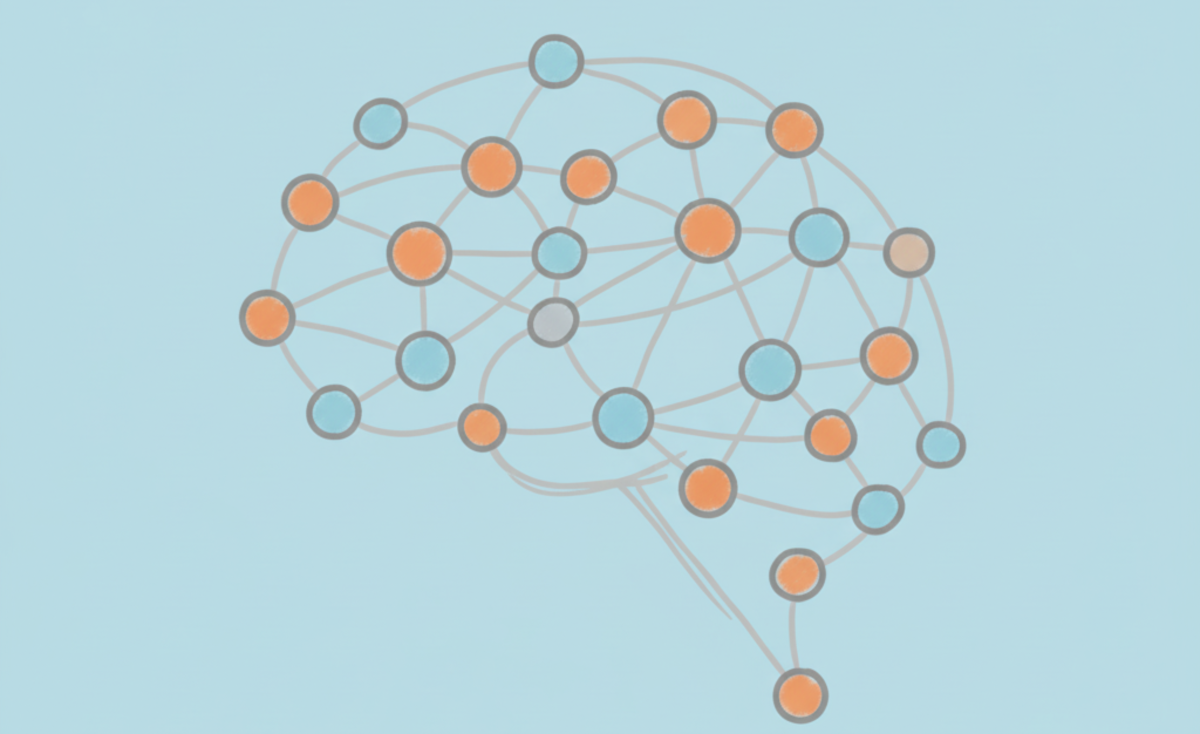
Ewelina’s current role at Final Spark is at the forefront of bio-computing, a field aiming to build computers using living neurons. This isn’t just about optimizing existing AI algorithms; it’s about a paradigm shift.
Why Biological Neurons?
The core belief at Final Spark is that living neurons offer a revolutionary leap in energy efficiency, being 1 million times more energy-efficient than current digital hardware. This massive gain in efficiency is not just an incremental improvement but a fundamental change that could redefine computing.
The Ambition: General Purpose Computing 🌐
Final Spark’s ultimate goal is to create a general-purpose computing device powered by living neurons. They estimate this ambitious project will take 10 years to realize, though advancements in AI, like Large Language Models (LLMs), could potentially accelerate this timeline by aiding their R&D efforts.
Funding the Revolution 💰
Currently a small, self-funded team of six, Final Spark is seeking 50 million Swiss Francs in external investment. This capital is crucial for expanding their team, as the success of such a deep tech endeavor hinges on the people working on the complex problems.
The Power of Living Neurons: Efficiency and Cost ⚡️💲
The unparalleled energy efficiency of biological neurons directly translates to cost savings. While current AI systems, like LLMs, are often subsidized to encourage adoption (e.g., OpenAI’s reported $19 billion loss on ChatGPT), the true cost is substantial. As AI usage grows, the real price will inevitably rise. Final Spark’s bio-computing approach promises to make AI significantly cheaper for end-users in the long run.
Key Points:
- 1 Million Times More Energy Efficient: This is the game-changer for biological computing.
- Cost Reduction for AI: Ultimately, living neurons can make sophisticated AI accessible at a much lower price point.
- Generative AI Focus: Final Spark envisions their bio-computers excelling in tasks like generative AI, mirroring the human brain’s strengths.
Performance and Challenges: Speed vs. Complexity 🐌🚀
While living neurons offer incredible efficiency, they come with different performance characteristics.
Speed vs. Efficiency: A Trade-off ⚖️
Ewelina acknowledges that biological neurons will likely be slower than silicon or quantum-based systems for high-speed computing. However, they excel at complex tasks. A bio-server, potentially 100 meters long, could offer a unique set of capabilities.
The Biggest Challenge: Information Encoding ❓
The most significant hurdle is understanding how neurons encode information. Unlike digital systems with binary zeros and ones, brains use time and space – the timing and location of electrical activity. Decoding this complex language is the central challenge.
Plasticity: A Double-Edged Sword 🔄
The plasticity of neurons, while enabling adaptive learning, also introduces variability in experiments, making reproducibility a significant challenge.
Reproducibility: The Mark of Scientific Rigor ✅
In the realm of neuroscience research, reproducibility is a major issue. Final Spark places a high emphasis on it, only reporting results that have been consistently replicated multiple times. Their success in storing one bit of information is a testament to this rigorous approach.
Determinism and Free Will: A Philosophical Dive 🤔
The discussion touches on the philosophical question of whether brains are deterministic or non-deterministic. Drawing from Robert Sapolsky’s work, Ewelina leans towards the view that everything is deterministic, albeit incredibly complex, shaped by genetics and environment. This perspective suggests that while we may not have free will in the traditional sense, understanding these deterministic factors is key to controlling and building bio-computers.
Longevity and Prototypes: Building with Life 🔬
Keeping living neurons alive and functional in a lab setting is a practical challenge.
Neuron Lifespan: A Work in Progress ⏳
Currently, neurons in Final Spark’s lab live for around 3 months, with an outlier reaching 7 months. While this is long for lab conditions, it’s a fraction of their potential lifespan in the human body. Improving the conditions to mimic natural environments is an ongoing engineering challenge.
The Prototypes: Organoids on Electrodes 💡
Final Spark has developed prototypes consisting of small organoids – complex 3D structures of about 10,000 neurons – placed on electrodes. These organoids, derived from human stem cells, are accessible remotely to universities and industry clients for fundamental research.
Ethical Considerations: Consent and Ownership 🤝
The conversation delves into ethical questions surrounding bio-computing.
Informed Consent: A Streamlined Process ✅
For stem cell donation, Final Spark utilizes commercially available stem cells derived from human skin. This process is already commercialized and compliant with all necessary regulations, simplifying the consent aspect.
Ownership and Commercialization: A New Frontier 🚀
Ewelina believes that donors of biological samples should not own the results of the research. The argument is that they have already sold the samples, and their contribution is transactional, not collaborative in the development process.
Biological Stress vs. Suffering: A Crucial Distinction 🤕
The concept of “stress” in biological systems is defined as any aberration from homeostasis. While neurons can experience stress, Ewelina emphasizes that this is distinct from human suffering, which involves consciousness and feelings. This distinction is vital to avoid anthropomorphization in the perception of bio-computing.
The Future of Understanding and Treatment 🧠❤️
Ewelina is optimistic that the work at Final Spark, while not its primary objective, will contribute to a greater understanding of the human brain. This could, in turn, lead to advancements in treatments for neurological and mental health conditions.
Engaging with the Future: Find Out More! 🌐
For those intrigued by bio-computing, Final Spark invites you to explore their website at financepark.com. They offer various ways to engage, from subscribing to newsletters to joining their Discord community. They also highly recommend their published paper on their website, which serves as an excellent starting point for anyone interested in working in this emerging field.
This has been a fascinating glimpse into the future of computing, where biology and technology converge. The journey of building computers from living neurons is ambitious, challenging, and incredibly exciting!